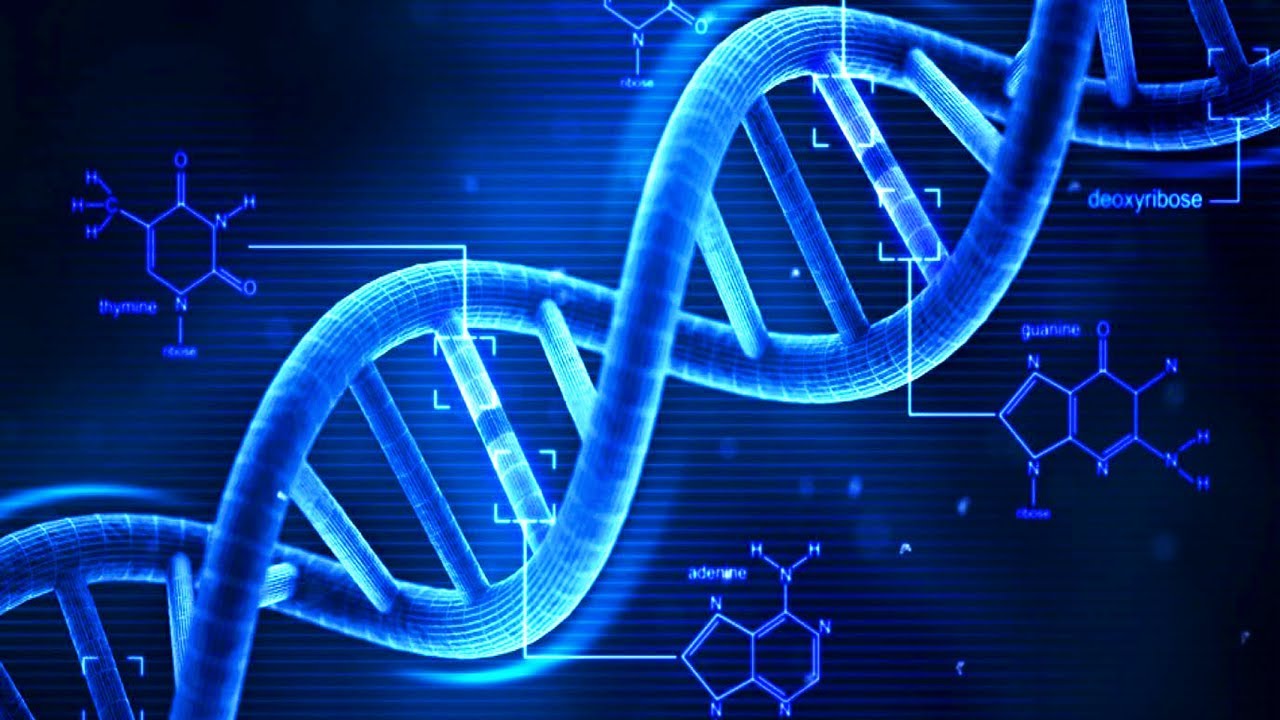
 This innovation uses a DNA engineering known as CRISPR. Using CRISPR allows scientists to decide which genes they want in a fertilized egg. This innovation will impact scientists who research diseases. This research may lead to cures of many common diseases that as well as brain disorders such as Alzheimer's and autism. The way this would work is that scientists would be able to identify what gene causes certain diseases. I believe that this innovation is the future of the biomedical field. In the future we may not have to worry about these diseases.
Monday, October 10, 2016
Computer Science Innovation: Genome Editing
This innovation uses a DNA engineering known as CRISPR. Using CRISPR allows scientists to decide which genes they want in a fertilized egg. This innovation will impact scientists who research diseases. This research may lead to cures of many common diseases that as well as brain disorders such as Alzheimer's and autism. The way this would work is that scientists would be able to identify what gene causes certain diseases. I believe that this innovation is the future of the biomedical field. In the future we may not have to worry about these diseases.

Thursday, October 6, 2016
Computer Science Innovation: Self Tying Shoelaces
 The innovation I chose was self tying shoelaces, similar to the shoes that appeared in the famous film, Back to the Future II. These shoes use a device that can tell how tight your shoes should be. Though they were promoted as the shoes that appeared in a film almost thirty years ago they were created to help people with Parkinson's. people with have uncontrollable tremor that may make it difficult to do everyday tasks such as eating or tying shoelaces. The profit for these shoes will go to research for a cure for Parkinson's and there may be more in development. I think this innovation is very cool. I just hope that these shoes are not too expensive so that they may be available for everyone.
Tuesday, October 4, 2016
What is the Internet Giveaway?
This internet giveaway is confusing. I don't understand why so many people are complaining about this because it will not really affect the government's power over the internet. It was stated that no one will end up having more power because of this giveaway. It is more symbolic if anything. People complaining about this giveaway just want the US to be in control of everything.
Thursday, September 29, 2016
Roger Bannister
 Roger Bannister was the first person to run a four-minute mile.Bannister didn't really train. He was probably just a good runner. The technology that might have impacted Bannister's record breaking run was technology to tell time, like stopwatches. From this I learned that some people are naturally good at things while others may need to practice.
Tuesday, September 27, 2016
Computer Science Innovations: Artificial Synapses
 This innovation is a computer that mimics the brain and its functions. This innovation helps scientists create computer that function like brains. With computers that operate like brains it could help replace traditional electronics that do not detect patterns as well as cannot learn. I think this innovation is very cool. If there is a computer that functions like a brain it will be the most efficient computer.
Friday, September 23, 2016
Mikaele Oloa
 Mikaele Oloa is a successful fire knife dancer who had won many titles at a young age. He first began to train in fire knife dancing at the age of five with his father who is also a competitive fire knife dancer. The technology that may have affected his achievements are things like planes. Many of his competitions were not in Hawaii, which is where he is from, so he has had to travel to get to several different places. I believe that this experience is like any other success re the person worked hard and because of this got what they wished for. Of course I do not believe it was a simple task to so because he has to handle and fire. I know because of this all of his success as a fire knife dance came from all of his hard work.
Wednesday, September 21, 2016
Computer Science Innovations: Imaging System

Subscribe to:
Posts (Atom)